Welcome to the Learning Zone Created by Oxford University Museum of Natural History, this site teaches you all about the natural world. It's designed for kids and teachers to offer information, resources, and activities on topics including fossils, rocks, and living things.
LIVING THINGS LIVING THINGS LIVING THINGS The living animal Extinct and endangered Animal ID Life processes
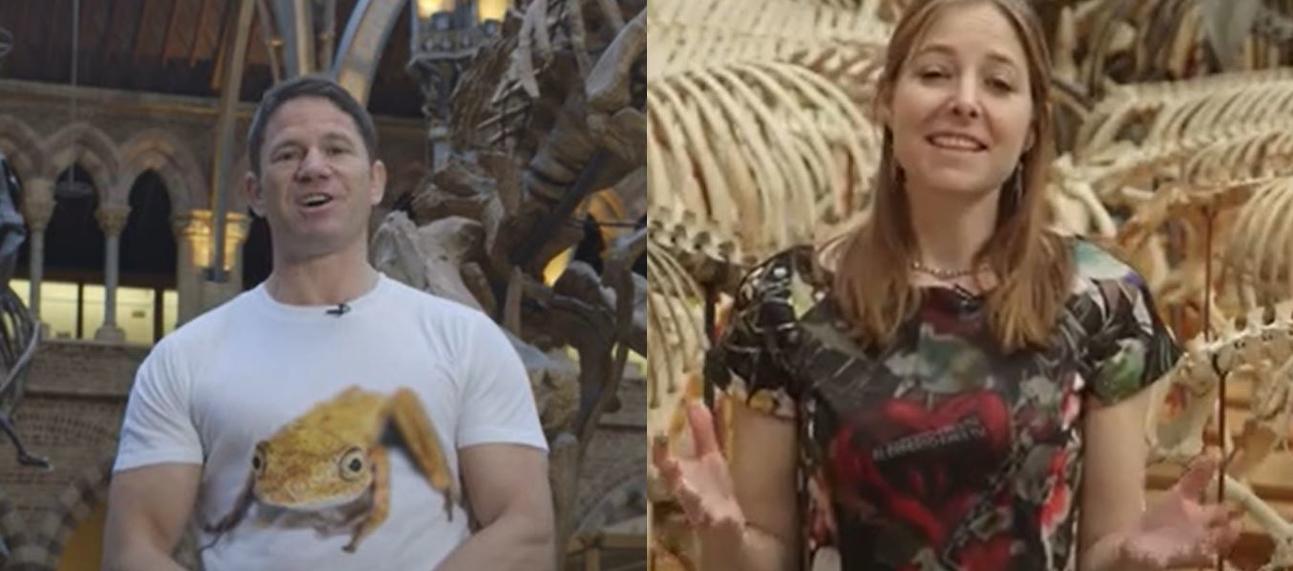
SENSING EVOLUTION SENSING EVOLUTION SENSING EVOLUTION Discover some of the most important ideas in the theory of evolution with TV’s Steve Backshall and Professor Alice Roberts. Discover
Families - learn at home Museum website Families - learn at home Families - learn at home Visit the Museum's main website to try our range of craft templates and activities, designed for you to do at home.
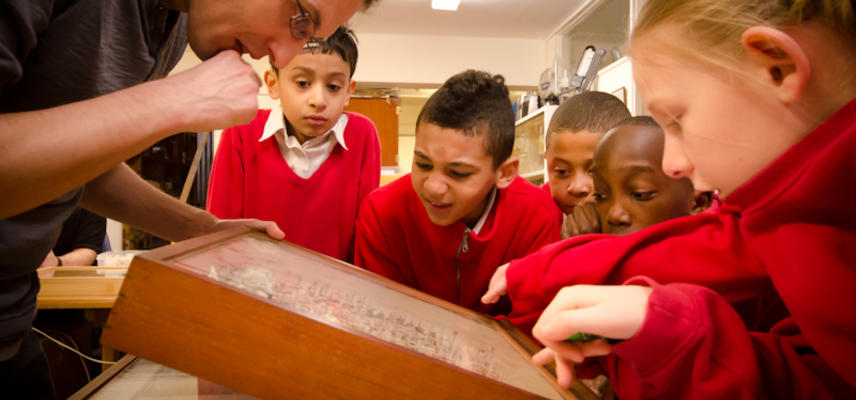
Teachers - book a visit Museum website Teachers - book a visit Teachers - book a visit The Museum is an inspiring setting for learning, offering a range of fun and informative hands-on sessions and online resources. Visit the Museum website to find out more.